There comes a moment when we begin to listen to the body again. Beneath the noise of habit and the urgency of daily life lies a deeper intelligence, asking only that we return to it with care.
The Health Protocol is a space for evidence-grounded stewardship of the body. Here we explore how plant-based nutrition, mindful movement, restorative rest, and inner clarity converge into a single practice of alignment with the body's original design.
Each message is an invitation to remember that what is common is not always natural, and that vitality is built in the quiet daily work of returning home to the body.

We have been taught to count. A calorie is a calorie, the logic goes, so a hundred from an apple and a hundred from a cookie are the same hundred, and weight is just arithmetic, calories in against calories out. It is a tidy idea, and it is mostly wrong. The body does not read a number. It reads the food the number came in, and what that food is made of changes how much of it we eat, how full we feel, and what the body does with it once it arrives.
Last week we looked at the metabolic reset, at how the body recovers when it is given signals it can read. This week we turn to the food itself, and to the difference between eating a plant and eating something built in a factory from its broken pieces.
A whole food is more than its numbers
A bean, an apple, a handful of oats is not just a delivery system for calories. It is a structure. The sugar in whole fruit sits behind fiber and inside cell walls that the body has to work to take apart, so it arrives slowly. The food carries water, which adds volume and weight without calories and helps signal fullness. It carries the fiber that feeds the gut and slows everything down. All of that structure is information the body uses to decide when to stop. Strip it away and the same calories arrive faster, emptier, and far easier to overeat. The number on the label is the smallest part of what a food is.
What processing takes out
Ultra-processed food is not simply food that has been cooked or packaged. It is food broken down to its components, refined flour, extracted oils, isolated sugars and starches, then rebuilt with additives into something engineered to be eaten quickly and easily. The fiber is mostly gone, the water is low, and the structure that once slowed us down has been removed. What is left is soft, calorie-dense, and easy to eat fast, often before the body has time to register that enough has arrived. This is not about willpower. The food is designed to slip past the very signals that would tell us to stop.
A whole food tells the body when to stop. A processed one is built so that signal never quite arrives.
SAVI
What the research found
This has been measured directly. In a 2019 study published in Cell Metabolism, researchers at the National Institutes of Health brought twenty adults to live in a clinic for a month, where every meal was prepared for them. For two weeks they ate a diet of whole, minimally processed foods, and for two weeks a diet of ultra-processed foods, with the two diets carefully matched for calories offered, sugar, fat, salt, and fiber. People could eat as much or as little as they wanted. On the ultra-processed diet they ate about five hundred more calories a day, almost without noticing, and they gained weight. On the whole-food diet, eating freely, they lost it. The food on offer, not the willpower of the eater, was what changed.
The invitation this week
This week, choose one meal and make it from food that still looks like itself. Beans and a grain, fruit you have to bite, vegetables with their skins, oats instead of the cereal built from them. You are not counting anything, and you are not cutting anything out. You are simply giving your body back the structure it knows how to read, the fiber and water and slowness that tell it, on their own, when enough is enough.
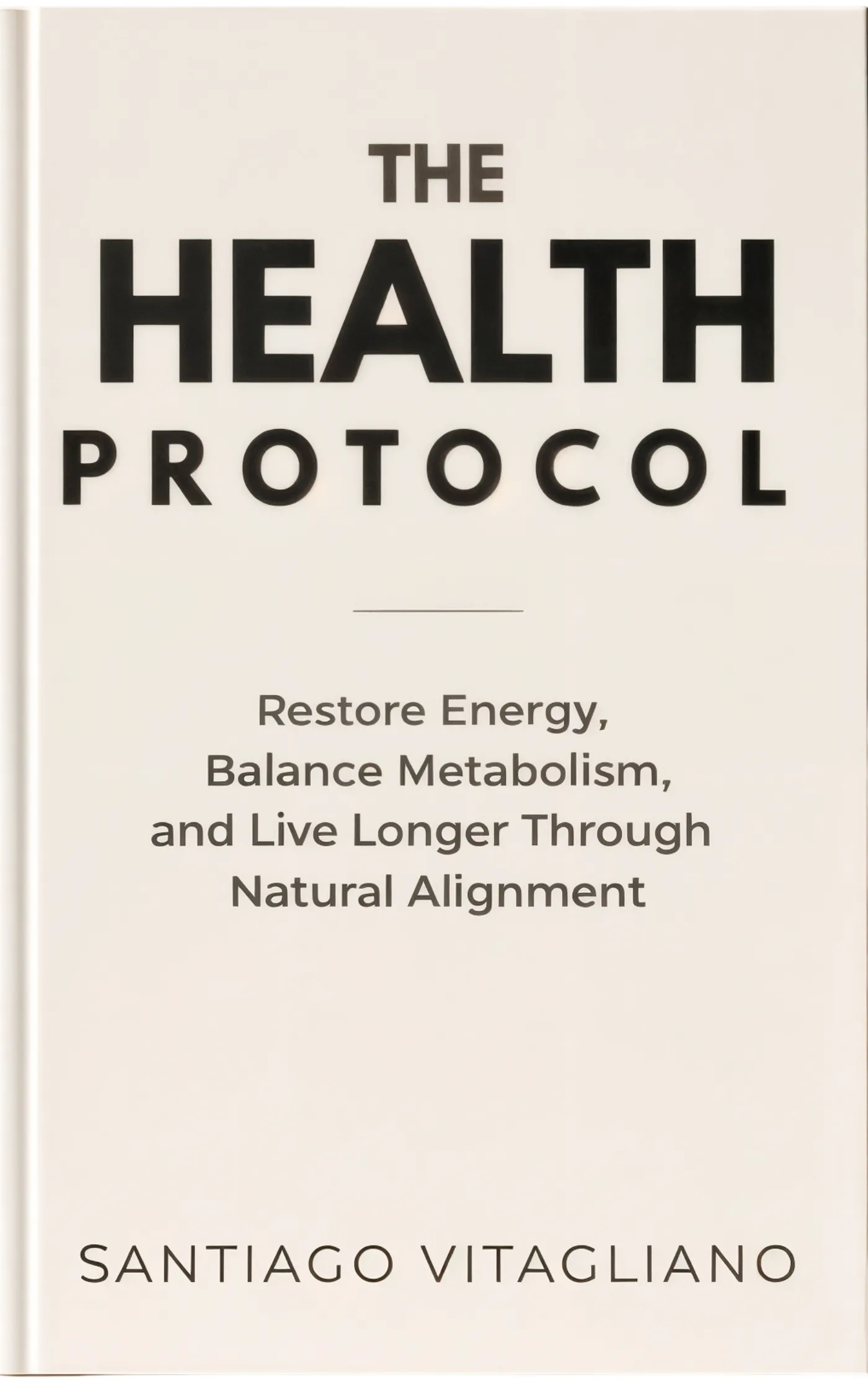
If this week's reflection lands, the full framework is gathered in three places. The book carries the argument. The Spanish edition carries the same argument for readers who think and pray in Spanish. The seminar carries the system, six narrated modules with worksheets and the daily practice stack.
May this week's guidance meet you exactly where you are and become one small, sustainable step in caring for your body. Eat well, move often, and rest deeply.
In care, clarity, and good health,