There comes a moment when we begin to listen to the body again. Beneath the noise of habit and the urgency of daily life lies a deeper intelligence, asking only that we return to it with care.
The Health Protocol is a space for evidence-grounded stewardship of the body. Here we explore how plant-based nutrition, mindful movement, restorative rest, and inner clarity converge into a single practice of alignment with the body's original design.
Each message is an invitation to remember that what is common is not always natural, and that vitality is built in the quiet daily work of returning home to the body.

Few struggles feel more personal than a craving. When the wanting for something sweet arrives in the late afternoon and refuses to leave, we read it as proof of weakness, a private failure of discipline we feel we should have outgrown by now. We promise to try harder tomorrow. But a craving is rarely a verdict on your character. Far more often it is a metabolic signal, the body reporting on the way blood sugar has climbed and fallen across your day, and asking, in the only language it has, for something steadier.
Last week we treated tiredness as information rather than a moral failing, a message from cells trying to make energy from the fuel they were given. This week we stay with that fuel and follow it into the bloodstream, where it becomes glucose. How smoothly that glucose rises and settles shapes far more than your weight. It shapes your hunger, your concentration, and the cravings that seem to arrive from nowhere. The metabolic system is a mirror, and what it reflects back to you as an urgent craving usually began hours earlier, quietly, on a plate.
The spike and the dip
When you eat, blood sugar rises. That is normal and expected. What matters is the shape of the curve that follows. A meal of fast-releasing refined carbohydrate, eaten on its own, sends glucose up quickly. The body answers with a surge of insulin to clear it, and because the climb was so steep, the clearing often overshoots. An hour or two later, blood sugar settles below where it started. That dip is the moment the craving appears. The brain, sensing a sudden shortfall of its preferred fuel, sends an urgent request for fast energy, and fast energy means sugar. The craving you blame on weakness is, in mechanical terms, simply the back half of a curve that began with a sharp rise. Soften the rise and the dip softens with it.
The same food, a gentler curve
Here is the encouraging part: the curve is not fixed. The same forty grams of carbohydrate can produce a sharp peak or a gentle swell depending on what arrives with it and in what order. Eaten bare, a plate of white rice or bread floods the bloodstream fast. Wrapped in the fiber of vegetables, beans, lentils, or whole grains, that same starch releases slowly, because fiber forms a kind of mesh the body must work through to reach it. Plant fats and proteins slow it further by delaying how quickly the stomach empties. Even sequence matters: when the vegetables and legumes come first and the starch comes later, the identical meal lands more gently. None of this asks you to eat less. It asks you to eat in a shape the body can absorb without alarm, so the dip that drives the craving never has to happen.
A craving is not the body betraying you. It is the body asking, an hour too late, for the meal that would have kept it steady.
SAVI
What the research found
This is measurable, not theoretical. In 2021, researchers publishing in the journal Nature Metabolism followed more than a thousand healthy adults wearing continuous glucose monitors across thousands of meals. They found that the people who experienced the largest blood sugar dips two to three hours after eating reported more hunger, returned to eat sooner, and consumed more calories over the following day than those whose glucose settled gently. Strikingly, the size of the dip predicted appetite more reliably than the height of the peak. In plain terms, the crash, not the spike, is what reaches forward into your afternoon and pulls you toward the snack drawer. The craving was written into the meal hours before you ever felt it, which is also the reason it can be rewritten.
The invitation this week
This week, run one small experiment. Choose the meal after which the craving usually follows, and change its shape rather than its size. Put the vegetables, beans, or lentils on the plate first, and eat them before the bread, rice, or pasta. Add something that slows absorption, a handful of nuts, a little avocado, a spoon of seeds. Then watch the hours that follow rather than the scale. Notice whether the two o’clock pull is quieter, whether you reach the next meal without the urgent search for sugar. You are not testing your willpower. You are changing the curve, and letting the craving it used to produce simply fail to arrive.
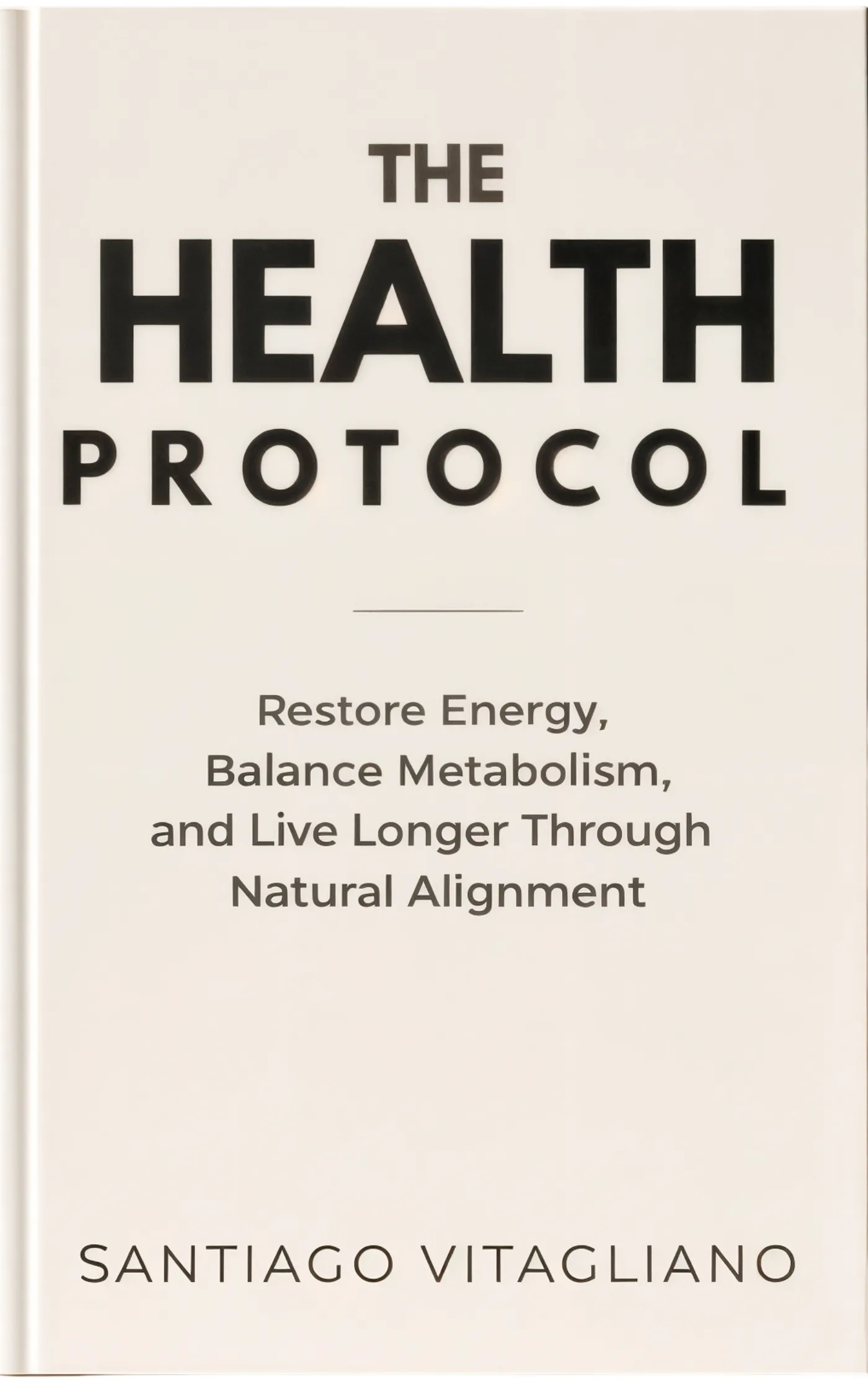
If this week's reflection lands, the full framework is gathered in three places. The book carries the argument. The Spanish edition carries the same argument for readers who think and pray in Spanish. The seminar carries the system, six narrated modules with worksheets and the daily practice stack.
May this week's guidance meet you exactly where you are and become one small, sustainable step in caring for your body. Eat well, move often, and rest deeply.
In care, clarity, and good health,