There comes a moment when we begin to listen to the body again. Beneath the noise of habit and the urgency of daily life lies a deeper intelligence, asking only that we return to it with care.
The Health Protocol is a space for evidence-grounded stewardship of the body. Here we explore how plant-based nutrition, mindful movement, restorative rest, and inner clarity converge into a single practice of alignment with the body's original design.
Each message is an invitation to remember that what is common is not always natural, and that vitality is built in the quiet daily work of returning home to the body.

We tend to think of fiber as the part of food that does not count, the rough, indigestible bit that simply passes through. We chase protein and watch our sugars, and fiber, if we think of it at all, is an afterthought. But fiber is not filler. The part of a plant we cannot digest turns out to be one of the most important things we can eat, because we were never meant to digest it alone. We were meant to share it.
For the last several weeks we have looked at the rhythms of the body, stress and connection, rest and motion. This week we go inward, to the gut, and to the trillions of microbes that live there and depend on us to feed them well. How we eat is, quietly, how we feed them.
What fiber really feeds
When you eat fiber, most of it travels untouched to the large intestine, where it meets the gut microbiome, the vast community of bacteria that lives there. They do what our own enzymes cannot: they ferment the fiber, and in doing so they produce short-chain fatty acids, small molecules that calm inflammation, steady blood sugar, strengthen the gut lining, and even send signals to the brain. Fiber, in other words, is not food for us directly. It is food for the part of us that keeps the rest of us well.
What happens when it is missing
A diet stripped of fiber, the modern diet of refined flour and processed convenience, slowly starves this inner community. When the microbes run out of fiber to ferment, some begin to feed on the protective mucus lining of the gut itself. The barrier thins. Low-grade inflammation rises, the same quiet inflammation we met in earlier weeks. What looks like a harmless lack of roughage is, underneath, a slow erosion of one of the body’s most important defenses.
Fiber was never filler. It is the meal we set for the part of us we cannot see, and that part, fed well, quietly keeps us whole.
SAVI
What the research found
The pattern is consistent and large. In a 2013 analysis published in the BMJ, researchers pooled studies following hundreds of thousands of people and found that for every additional seven grams of fiber eaten each day, about a serving of beans or a couple of servings of whole grains, the risk of heart disease and stroke fell by around nine percent. The benefit was steady and dose-dependent: more fiber, lower risk. The humblest part of the plant, it turns out, is doing some of the heaviest work.
The invitation this week
This week, feed the part of you that feeds you. Add one fiber-rich plant to a meal you already eat: a handful of beans into a soup, oats in the morning, an extra vegetable on the plate, a piece of fruit eaten whole rather than juiced. You do not need to overhaul anything. You are simply setting a fuller table for the quiet community inside you, the one that has been waiting, all along, to be fed.
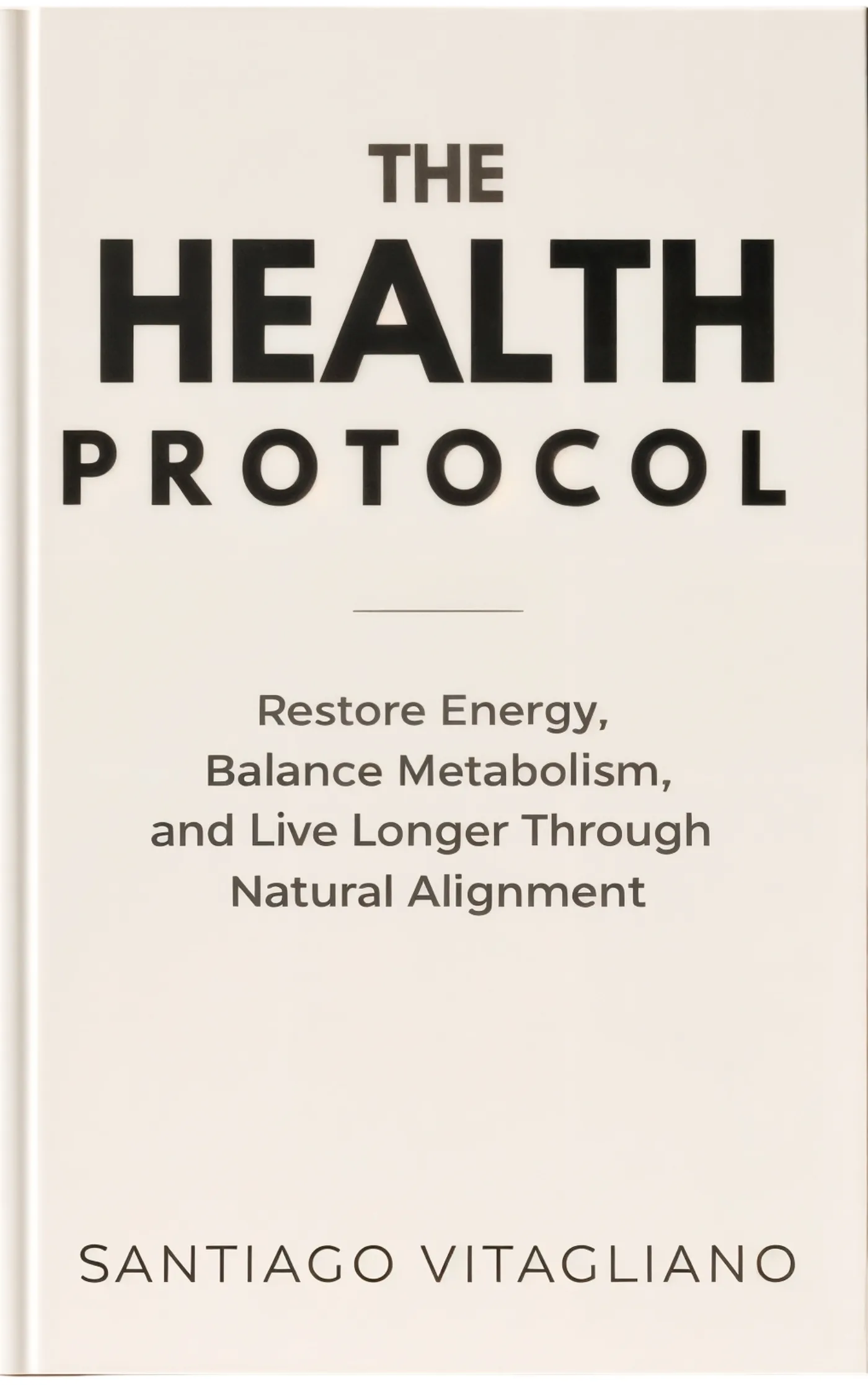
If this week's reflection lands, the full framework is gathered in three places. The book carries the argument. The Spanish edition carries the same argument for readers who think and pray in Spanish. The seminar carries the system, six narrated modules with worksheets and the daily practice stack.
May this week's guidance meet you exactly where you are and become one small, sustainable step in caring for your body. Eat well, move often, and rest deeply.
In care, clarity, and good health,