There comes a moment when we begin to listen to the body again. Beneath the noise of habit and the urgency of daily life lies a deeper intelligence, asking only that we return to it with care.
The Health Protocol is a space for evidence-grounded stewardship of the body. Here we explore how plant-based nutrition, mindful movement, restorative rest, and inner clarity converge into a single practice of alignment with the body's original design.
Each message is an invitation to remember that what is common is not always natural, and that vitality is built in the quiet daily work of returning home to the body.

The moment hunger arrives, most of us treat it as a problem to solve at once. A small emptiness in the stomach reads as a warning light, and we reach for something before the feeling has a chance to deepen. But hunger is not an emergency. In a healthy body with reserves to draw on, the first stirrings of hunger are not a crisis at all. They are the sound of a door opening: the moment the body finishes the work of digestion and is finally free to turn to the quieter, slower work it can only do when it is not busy eating.
Last week we looked at inflammation as a fire that heals when it flares and harms when it never goes out. This week we follow the body in the opposite direction, into the gap, the hours when no food is coming in. The body does two different jobs: it stores and builds when it is fed, and it cleans and repairs when it is fasted. Both matter. The trouble with eating from the moment we wake until the moment we sleep is not any single meal. It is that the repair shift never gets the chance to begin.
What the gap turns on
For the first hours after a meal, your body runs on the glucose you just ate, and insulin stays high to store the surplus. As the hours pass without food, insulin falls, the stored sugar runs low, and the body flips a switch: it begins drawing on stored fat for fuel and producing ketones, a cleaner backup energy. That switch is not just about fuel. The same drop in insulin signals cells to begin a kind of internal housekeeping, breaking down and recycling worn-out parts. The mild hunger you feel as this begins is not damage. It is the body shifting from the work of storing to the work of mending.
The day that never pauses
Here is the modern difficulty. When eating begins with coffee and a bite at dawn and ends with a snack near midnight, insulin stays elevated for most of the waking day. The switch rarely flips, and the repair shift rarely begins. The body is kept so busy storing that it almost never gets to clean. The fix is not a punishing fast. It is simply a longer pause. For most people the easiest gap is the one that already exists: the overnight stretch between dinner and the next morning. Close the kitchen a little earlier, open it a little later, and that ordinary window widens enough for the switch to turn. Nothing exotic is required. The body has done this for as long as humans have slept through the night.
Hunger is not a fire to put out. It is the body asking for the one thing a constant supply of food never lets it have: a pause long enough to repair.
SAVI
What the research found
This is one of the most studied ideas in modern nutrition science. In a 2019 review in the New England Journal of Medicine, two researchers at the National Institute on Aging described how periods of fasting trigger a metabolic switch from glucose to fat-derived fuel, and how that switch activates cellular pathways that improve stress resistance and repair. Their review links these fasting periods to a lower risk of several chronic conditions across the lifespan. None of it requires an extreme regimen. The benefit comes from giving the body a regular, predictable gap, the same plant-rich plate you already eat, simply bounded by a longer pause.
The invitation this week
This week, try widening the gap you already have. Pick a time to close the kitchen after dinner, and aim for roughly twelve hours before your first food the next day. If you usually eat until late, move that last bite earlier by an hour. Drink water in the morning and let the first hunger come and go without rushing to meet it. Notice that it rises, then settles, on its own. You are not depriving yourself. You are giving your body the quiet, unfed hours it needs to do the repair it cannot do while it is still eating.
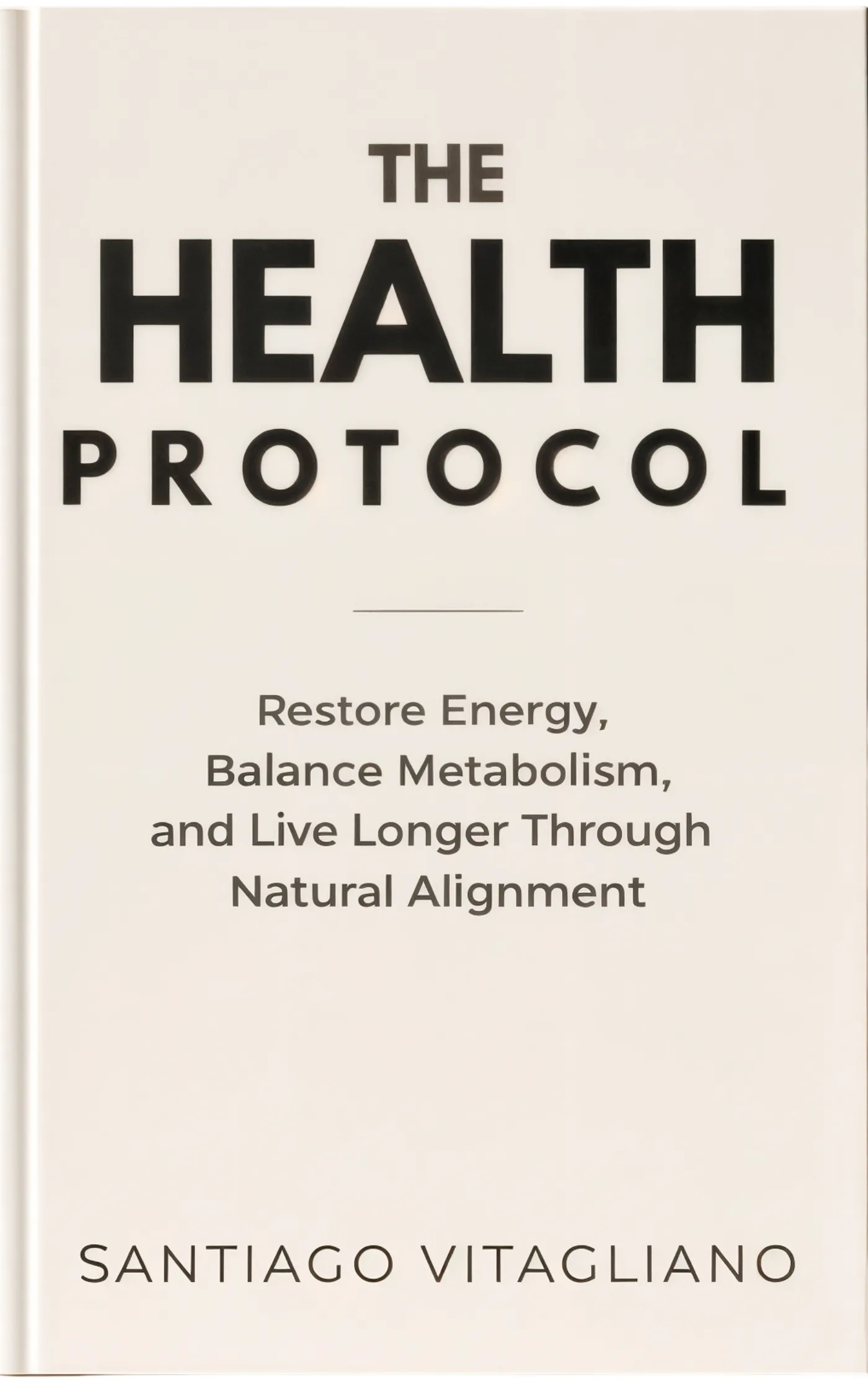
If this week's reflection lands, the full framework is gathered in three places. The book carries the argument. The Spanish edition carries the same argument for readers who think and pray in Spanish. The seminar carries the system, six narrated modules with worksheets and the daily practice stack.
May this week's guidance meet you exactly where you are and become one small, sustainable step in caring for your body. Eat well, move often, and rest deeply.
In care, clarity, and good health,