There comes a moment when we begin to listen to the body again. Beneath the noise of habit and the urgency of daily life lies a deeper intelligence, asking only that we return to it with care.
The Health Protocol is a space for evidence-grounded stewardship of the body. Here we explore how plant-based nutrition, mindful movement, restorative rest, and inner clarity converge into a single practice of alignment with the body's original design.
Each message is an invitation to remember that what is common is not always natural, and that vitality is built in the quiet daily work of returning home to the body.

We have come to think of movement as something we schedule. There is the workout, and then there is the rest of the day, most of it spent sitting. We tell ourselves the hour at the gym is the part that counts, and the eight hours in a chair are simply how modern life is. But movement is not exercise. The body was not built for a single burst of effort followed by stillness. It was built to move gently and often, all day long, the way a body moves when it is tending a garden or walking to gather food.
Last week we gave the body the stillness it needs to repair in sleep. This week we turn to its opposite and equal need: motion. The two are not in tension. The body that moves well through the day is the same body that sleeps deeply at night. Stillness and motion are the two halves of how the body keeps itself whole.
What sitting still does
When you sit for hours, the large muscles of the legs go quiet, and a great deal of the body’s machinery quiets with them. The enzymes that pull fat from the blood slow down. Blood sugar lingers higher after meals. Circulation pools. None of this is dramatic in any single hour, which is why it is so easy to miss. But hour after hour, day after day, a body kept still drifts toward the very conditions, higher blood sugar and blood fats, that the earlier weeks of this guide have been about. The chair is not neutral. Stillness, held too long, is its own kind of strain.
The workout cannot undo the chair
It is tempting to believe that a hard workout buys back a sedentary day. The body responds to the shape of the whole day, not to a single hour of it. A person who exercises once and sits the rest of the day is still, in the way that matters, a person who sat all day. What the body wants is not heroism but frequency: standing up often, walking between tasks, taking the stairs, carrying the groceries, pacing while on the phone. These small motions, repeated, keep the machinery running in a way one workout cannot replace.
The body was not built for one hour of effort and a day of stillness. It was built to move gently and often, the way it moved for all the years before chairs.
SAVI
What the research found
This is one of the largest questions modern movement science has tried to answer. In a 2016 study in the journal The Lancet, researchers pooled data from more than one million people to ask whether activity could offset the harm of long sitting. They found that about sixty to seventy-five minutes of moderate movement a day, a brisk walk, say, was enough to erase the higher risk of death linked to eight hours of sitting. The lesson is not that exercise fails. It is that movement has to be woven through the day, not saved for one corner of it.
The invitation this week
This week, break up the sitting. Set something to remind you to stand and move for a few minutes every hour. Take a short walk after your largest meal, when it does the most good for your blood sugar. Choose the stairs once when you would have taken the lift. None of this is exercise in the way we usually mean it, and that is the point. You are not trying to earn back a sedentary day in a single effort. You are giving the body the steady, gentle motion it was made to have.
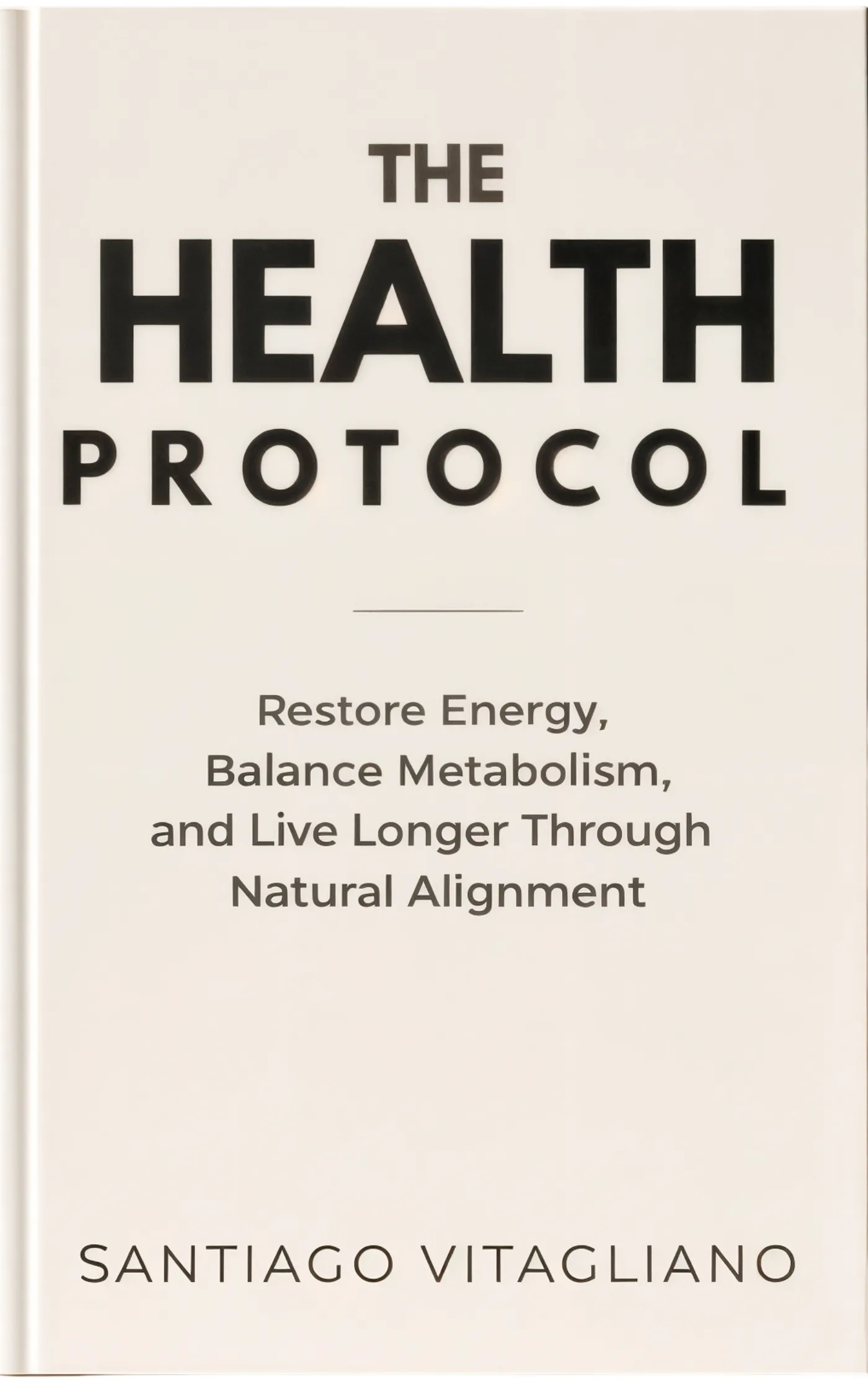
If this week's reflection lands, the full framework is gathered in three places. The book carries the argument. The Spanish edition carries the same argument for readers who think and pray in Spanish. The seminar carries the system, six narrated modules with worksheets and the daily practice stack.
May this week's guidance meet you exactly where you are and become one small, sustainable step in caring for your body. Eat well, move often, and rest deeply.
In care, clarity, and good health,