There comes a moment when we begin to listen to the body again. Beneath the noise of habit and the urgency of daily life lies a deeper intelligence, asking only that we return to it with care.
The Health Protocol is a space for evidence-grounded stewardship of the body. Here we explore how plant-based nutrition, mindful movement, restorative rest, and inner clarity converge into a single practice of alignment with the body's original design.
Each message is an invitation to remember that what is common is not always natural, and that vitality is built in the quiet daily work of returning home to the body.
We tend to think of the sun as a source of vitamin D, something the skin makes when we are out long enough. That is real, but it is the smaller story. The sun’s most important work happens through the eyes, not the skin, and it happens in the first hour of the day. Sunlight is not just vitamin D. It is the signal that sets the clock the whole body runs on.
Over the past weeks we have looked at fiber and the gut, at thirst and water, at the rhythms that quietly run beneath a day. This week we follow one of the oldest of those rhythms, the daily turn of light and dark, and the simple thing that keeps it tuned: getting outside in the morning.
The clock you cannot feel
Deep in the brain sits a small cluster of cells that keeps time for the entire body. It decides when you feel sleepy and when you feel sharp, when hormones rise and fall, when the gut expects food. But this clock runs a little slow on its own, drifting later each day, and it needs a daily correction to stay aligned with the world outside. That correction is light. Bright morning light, caught through the eyes, tells the clock that the day has begun and pulls it back into time.
What modern days do to it
We have built a world that confuses this clock. We spend our brightest hours indoors, where even a well-lit room is far dimmer than a cloudy morning outside. Then, after dark, we fill the evening with screens and lamps, the kind of light the body reads as daytime. The signal arrives backward: too little light when the body needs it, too much when it does not. The clock drifts later, sleep comes harder, mornings feel heavier, and the whole day tilts slightly off its natural time.
The sun was never only for the skin. Its first gift each day is to the clock that keeps the rest of us in time.
SAVI
What the research found
How quickly the clock responds is striking. In a 2013 study published in Current Biology, researchers sent people camping for a week with only natural light, no lamps, no screens, no electric glow after dark. In just that week, their internal clocks shifted earlier and locked onto the rising and setting sun, and the body’s evening release of melatonin, the hormone that prepares us for sleep, moved earlier with it. The same people, back in ordinary indoor life, ran on a clock pushed hours later. The body had not lost its rhythm. It had simply been waiting for the light to come back.
The invitation this week
This week, meet the morning light. Within an hour or so of waking, step outside for a few minutes, before the day pulls you to a screen. You do not need direct sun, and you do not need long; even a gray morning outdoors is far brighter than indoors. Let your eyes take in the daylight. You are not just starting your day. You are setting the clock that every other part of you will follow.
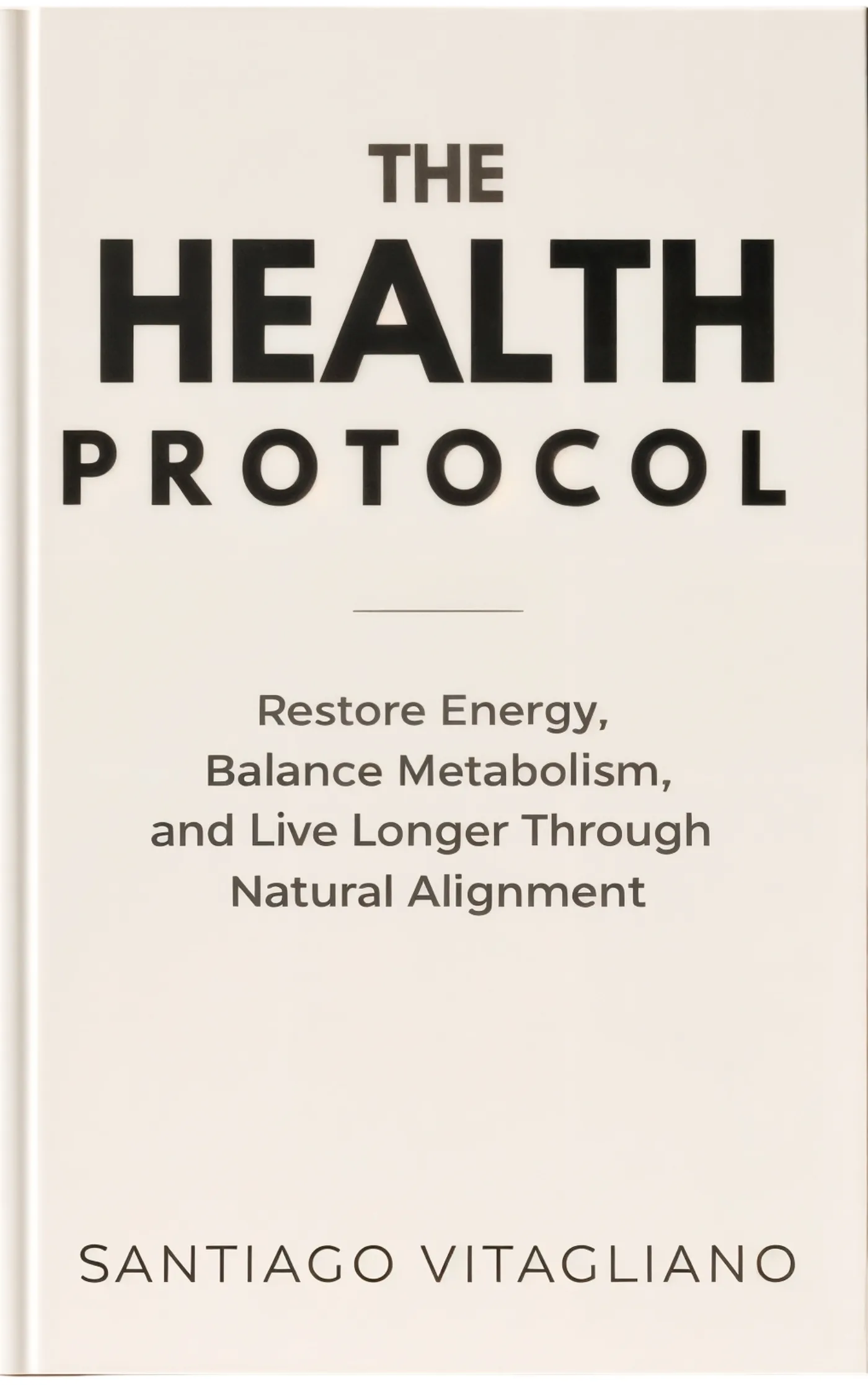
If this week's reflection lands, the full framework is gathered in three places. The book carries the argument. The Spanish edition carries the same argument for readers who think and pray in Spanish. The seminar carries the system, six narrated modules with worksheets and the daily practice stack.
May this week's guidance meet you exactly where you are and become one small, sustainable step in caring for your body. Eat well, move often, and rest deeply.
In care, clarity, and good health,