There comes a moment when we begin to listen to the body again. Beneath the noise of habit and the urgency of daily life lies a deeper intelligence, asking only that we return to it with care.
The Health Protocol is a space for evidence-grounded stewardship of the body. Here we explore how plant-based nutrition, mindful movement, restorative rest, and inner clarity converge into a single practice of alignment with the body's original design.
Each message is an invitation to remember that what is common is not always natural, and that vitality is built in the quiet daily work of returning home to the body.

We tend to treat thirst as the body’s alarm for water, the moment it tells us to drink. But thirst is a late messenger. By the time the mouth feels dry, the body has already slipped into a small deficit, and the quiet costs have already begun. Thirst is not a warning. It is closer to a receipt for a debt the body has already started to pay.
Over the past weeks we have looked at the rhythms of the body, at fiber and the inner life of the gut, at rest and movement. This week we turn to the simplest thing the body asks for and the one we most often supply too late: water. The body is built almost entirely of it, and nearly every process inside us happens in it.
What water quietly carries
Water is not just a thing we drink. It is the medium in which we are made. Blood is mostly water, carrying oxygen and fuel to every cell and carrying waste away. The fluid around the brain cushions it. The thin film inside the joints lets them move without grinding. Digestion, temperature, the steady electrical signaling of nerves, all of it runs in water. When the supply dips even slightly, none of these stop, but each one strains a little, like an engine running a quart low.
What happens when it runs low
A modern day is built to dehydrate us slowly. Coffee in the morning, a screen and a deadline, hours that pass without a single glass of water, and a thirst signal we have learned to ignore or mistake for hunger. Long before we feel parched, a loss of just one or two percent of the body’s water begins to dull us. Focus frays. Mood dips. A faint headache settles in, and we reach for more coffee instead of water, which only deepens the deficit. What looks like an afternoon slump is often, underneath, a body asking quietly for the one thing we forgot to give it.
Thirst was never the warning. It was the body, already running low, finally raising its voice.
SAVI
What the research found
The effect is measurable, and it begins earlier than most of us assume. In a 2011 study published in the British Journal of Nutrition, researchers mildly dehydrated healthy young men by only one to two percent of body water, the kind of loss an ordinary busy day can produce, and then measured how they thought and felt. Even at that small deficit, attention and working memory slipped, and tension, anxiety and fatigue rose. The men were not collapsing. They simply felt a little worse and worked a little less sharply, and most of them had not yet registered real thirst. Mild dehydration, it turns out, is not nothing. It is a tax on the mind we pay without noticing.
The invitation this week
This week, drink before you are dry. Keep water within reach and return to it through the day, not in one large rush but in small, steady sips. Begin the morning with a glass before the coffee. When the afternoon slump arrives, try water before another cup. You are not chasing a number of glasses. You are simply staying ahead of the deficit, so the body never has to raise its voice to be heard.
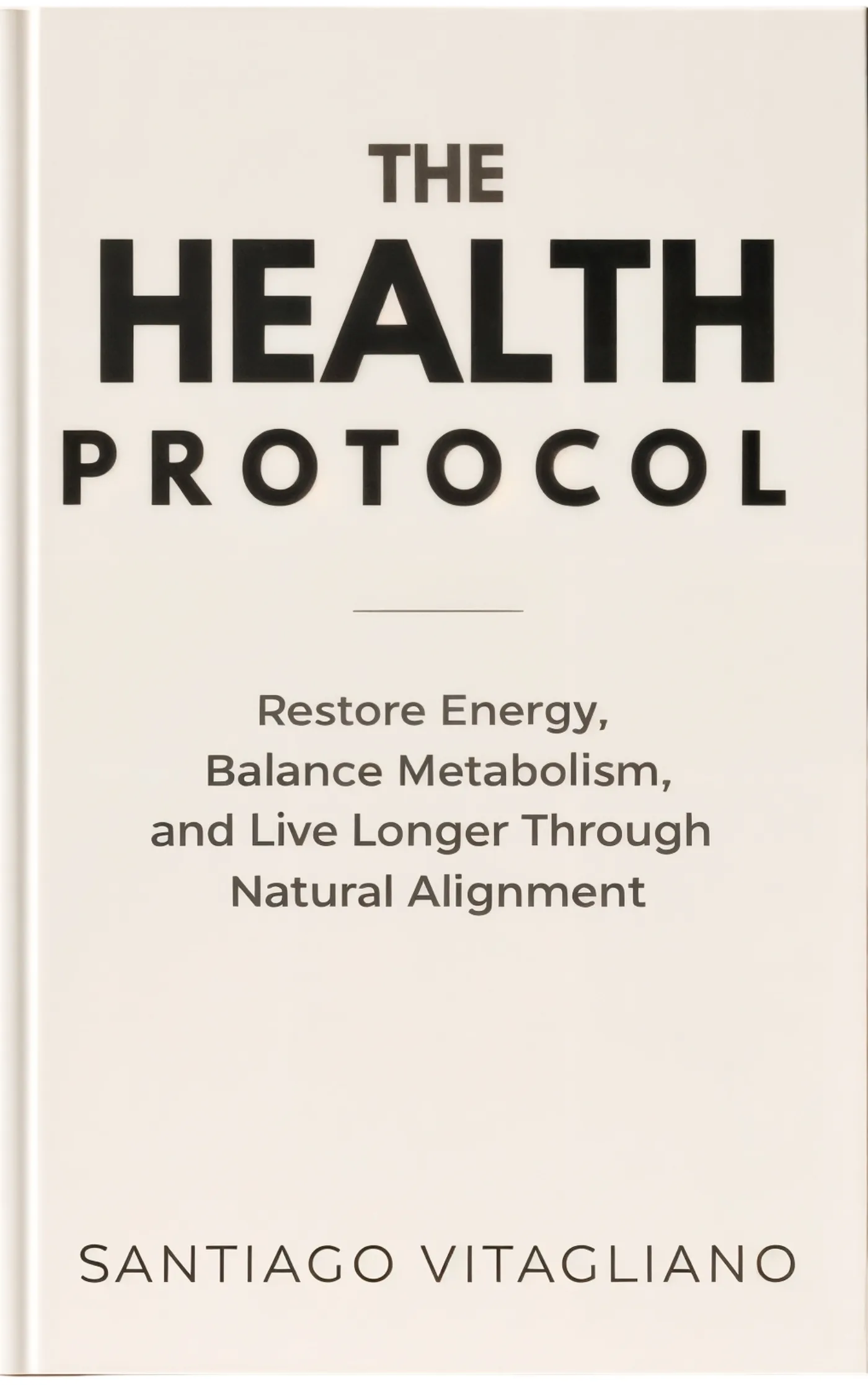
If this week's reflection lands, the full framework is gathered in three places. The book carries the argument. The Spanish edition carries the same argument for readers who think and pray in Spanish. The seminar carries the system, six narrated modules with worksheets and the daily practice stack.
May this week's guidance meet you exactly where you are and become one small, sustainable step in caring for your body. Eat well, move often, and rest deeply.
In care, clarity, and good health,