There comes a moment when we begin to listen to the body again. Beneath the noise of habit and the urgency of daily life lies a deeper intelligence, asking only that we return to it with care.
The Health Protocol is a space for evidence-grounded stewardship of the body. Here we explore how plant-based nutrition, mindful movement, restorative rest, and inner clarity converge into a single practice of alignment with the body's original design.
Each message is an invitation to remember that what is common is not always natural, and that vitality is built in the quiet daily work of returning home to the body.

We tend to think of sleep as the body powering down, a blank stretch of nothing between two days. The opposite is closer to the truth. While you lie still, the body switches on some of its most demanding work, the repair and clearing it simply cannot do while you are awake and busy living.
Last week we looked at the gift of the gap, the repair that begins when eating stops. This week we turn to the other great repair window, the one that opens every night: sleep, and the quiet shift the body works while you rest.
What the body builds at night
The deepest physical repair happens in slow-wave sleep, the heavy, dreamless hours early in the night. During this stage the body releases most of its daily growth hormone, the signal that rebuilds muscle, mends tissue, and maintains bone. The immune system uses the same window to consolidate its memory of the day's threats, which is part of why a single short night can leave you more vulnerable to whatever is going around. None of this is optional background noise. It is scheduled maintenance, and the body can only run it when the demands of waking life finally fall quiet.
How the brain cleans itself
The brain has its own nighttime cleanup, and it is remarkable. In 2013 the neuroscientist Maiken Nedergaard and her colleagues, publishing in Science, described what they named the glymphatic system: during deep sleep the channels around brain cells widen and a wash of fluid flushes out the metabolic waste that accumulates through the day, including the sticky proteins linked to cognitive decline. In effect, the brain rinses itself clean in a way it largely cannot while awake. This is one reason a run of poor nights leaves thinking foggy and mood thin, and why sleep is now treated less as a luxury than as basic maintenance for the mind.
Sleep is not time lost from living. It is the shift on which the body quietly rebuilds the one who lives.
SAVI
How to protect the shift
You cannot force sleep, but you can set the stage for it, and timing matters more than most people think. The body runs on a daily clock, and that clock is set mainly by light: morning light tells it to wake fully, and dimming light in the evening tells it to wind down. So the most useful moves are simple and consistent. Keep a steady sleep and wake time, even on weekends, so the clock is not asked to reset every few days. Get real daylight into your eyes early, and soften the light, especially screens, in the last hour before bed. Keep the room cool, dark, and quiet, and let the wind-down be a ramp rather than a cliff. This is not about chasing a perfect score, and anyone with insomnia, sleep apnea, or another sleep disorder deserves real clinical help rather than willpower. For most of us, though, it is about removing the obstacles so the night shift can clock in on time.
The invitation this week
For seven days, protect the start of the shift. Pick one consistent time to dim the lights and put the screens down, and let the body arrive at sleep the same way each night. You are not chasing eight perfect hours. You are giving the night shift a chance to clock in on time and do the work only it can do while you rest.
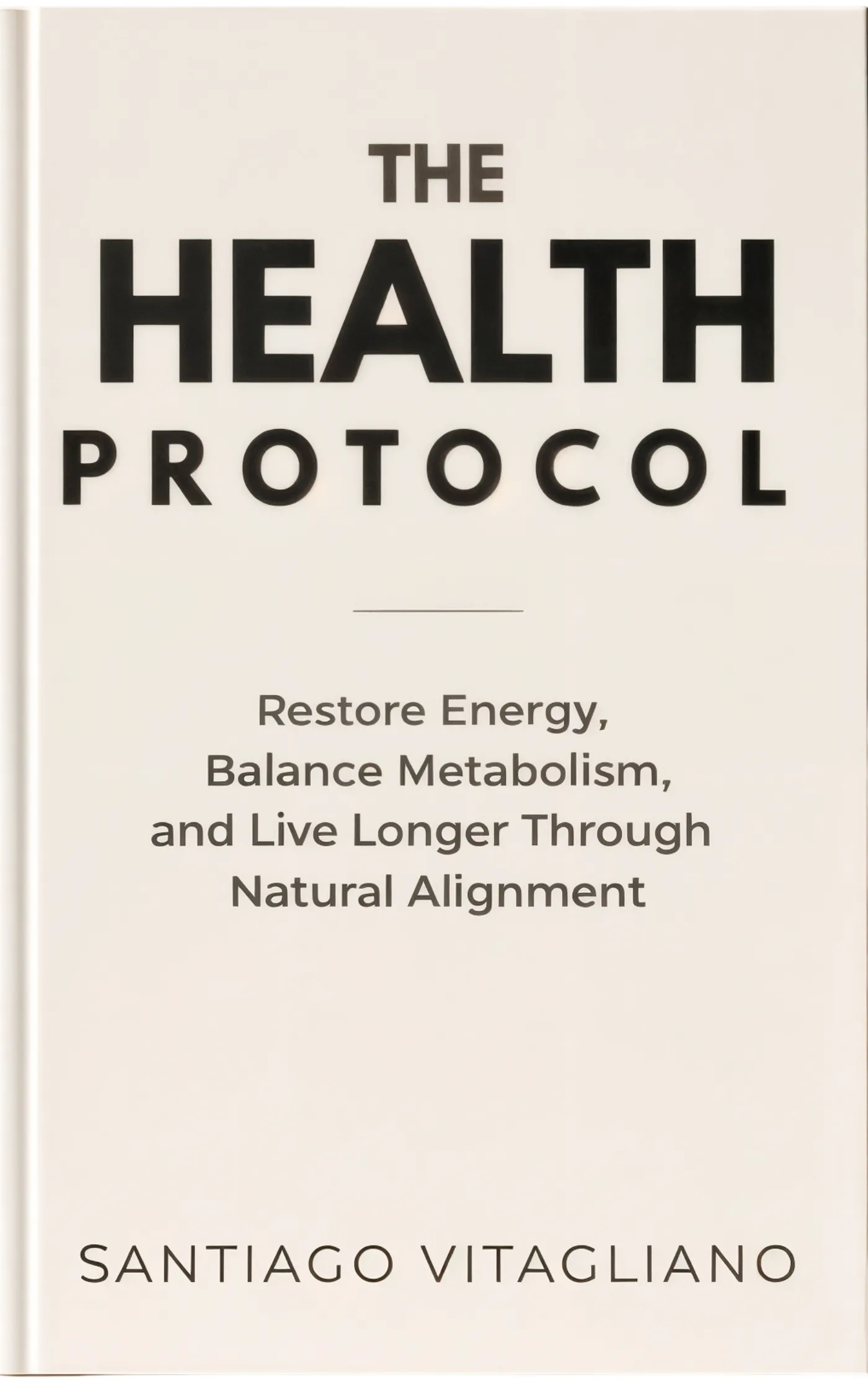
If this week's reflection lands, the full framework is gathered in three places. The book carries the argument. The Spanish edition carries the same argument for readers who think and pray in Spanish. The seminar carries the system, six narrated modules with worksheets and the daily practice stack.
May this week's guidance meet you exactly where you are and become one small, sustainable step in caring for your body. Eat well, move often, and rest deeply.
In care, clarity, and good health,